
The healthcare industry is a rapidly growing field with many different job opportunities.

Opportunities With A Behavioral Health Degree
Behavioral health is a field that encompasses the study of human behavior, mental health, and well-being. A degree in behavioral health can lead to a variety of career opportunities, including roles in counseling, social work, psychology, and psychiatry.
There are several types of behavioral health degrees available, including:
Bachelor's degree in Behavioral Health: A bachelor's degree in behavioral health typically takes four years to complete and provides a broad foundation of knowledge in the field. This degree program covers topics such as human behavior, mental health, and well-being, as well as the social and cultural factors that influence them. Graduates of a bachelor's degree program in behavioral health may go on to work in entry-level positions in mental health agencies, social service organizations, or other related fields.
Master's degree in Behavioral Health: A master's degree in behavioral health typically takes two to three years to complete and provides a more in-depth understanding of the field. This degree program covers topics such as counseling, therapy, and intervention strategies, as well as specialized areas of study such as addiction, child and adolescent mental health, and geriatric mental health. Graduates of a master's degree program in behavioral health may go on to work as counselors, social workers, or other professionals in the mental health field.
Doctorate degree in Behavioral Health: A doctorate degree in behavioral health typically takes four to five years to complete and provides the highest level of education in the field. This degree program covers topics such as research methods, advanced therapy and intervention strategies, and specialized areas of study such as neuropsychology, clinical psychology, and forensic psychology. Graduates of a doctorate degree program in behavioral health may go on to work as researchers, professors, or clinical practitioners in the mental health field.
It's important to note that the specific program requirements, curriculum and focus may vary by institution and degree level. Additionally, it's important to check the specific licensure requirements in your state and ensure the program you choose meets those requirements.
Online degree programs in behavioral health are also available, which provide a convenient and flexible way to pursue a degree in this field. These programs typically follow the same curriculum and have the same requirements as on-campus programs, but allow students to complete coursework and other requirements online, rather than attending classes in person.
A degree in behavioral health can open doors to a wide variety of rewarding and fulfilling career opportunities in the mental health field. Whether you're interested in counseling, social work, psychology, or psychiatry, a behavioral health degree can provide you with the knowledge and skills you need to make a positive impact on the lives of others.
Popular Blog Posts
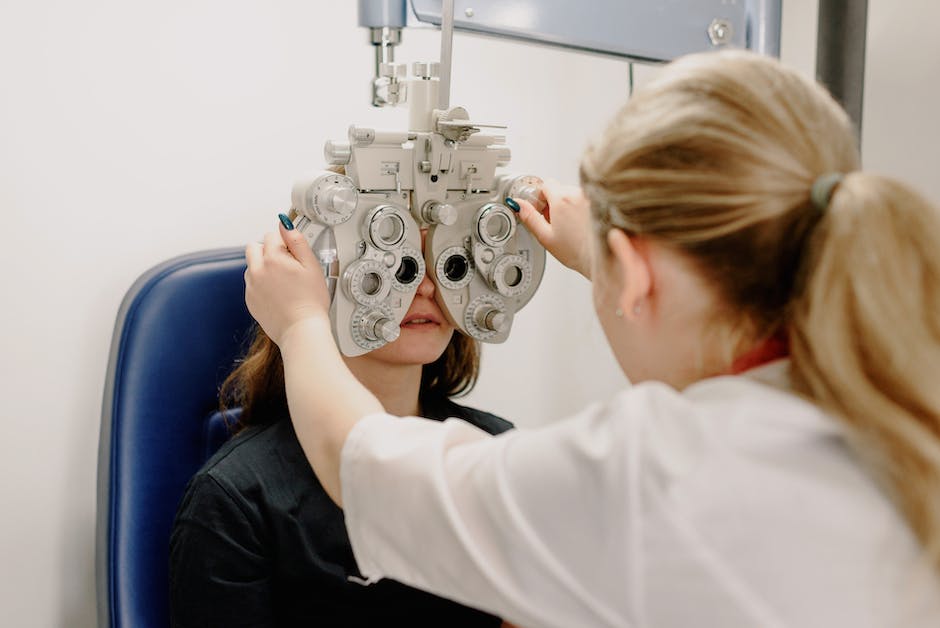

Allied health is a growing field that encompasses a wide range of healthcare careers, from medical laboratory technicians to physical therapists.

Nurse practitioners (NPs) are advanced practice registered nurses (APRNs) who have completed advanced education and training in a specific area of healthcare.

Online health degrees have become increasingly popular in recent years, as more and more students look for flexible and affordable options to further their...
Latest News
 August 22nd 2023
 August 20th 2023